Buy readytogo.eu ?
We are moving the project
readytogo.eu .
Are you interested in purchasing the domain
readytogo.eu ?
domain@kv-gmbh.de · 0541-91531010
Buy readytogo.eu ?
What is the etymology of Turkish Pepper?
The term "Turkish Pepper" is believed to have originated from the use of a specific type of pepper called "Urfa biber" in Turkish cuisine. Urfa biber is a dried red pepper that is grown in the Urfa region of Turkey and is known for its smoky, earthy flavor with a mild heat. The name "Turkish Pepper" likely refers to the origin of this specific type of pepper and its association with Turkish cuisine. **
What is the etymology of the word Hexe?
The word "Hexe" comes from the Old High German word "hagazussa," which means "witch." This word is derived from the Middle High German "hag," meaning "hedge," and "zussa," meaning "sitting." The term "hagazussa" originally referred to a female magician or sorceress who was believed to have the ability to ride on the backs of animals and perform magical spells. Over time, the word evolved into "Hexe" in modern German. **


Similar search terms for Etymology
Top-Angebote
Products related to Etymology:
-
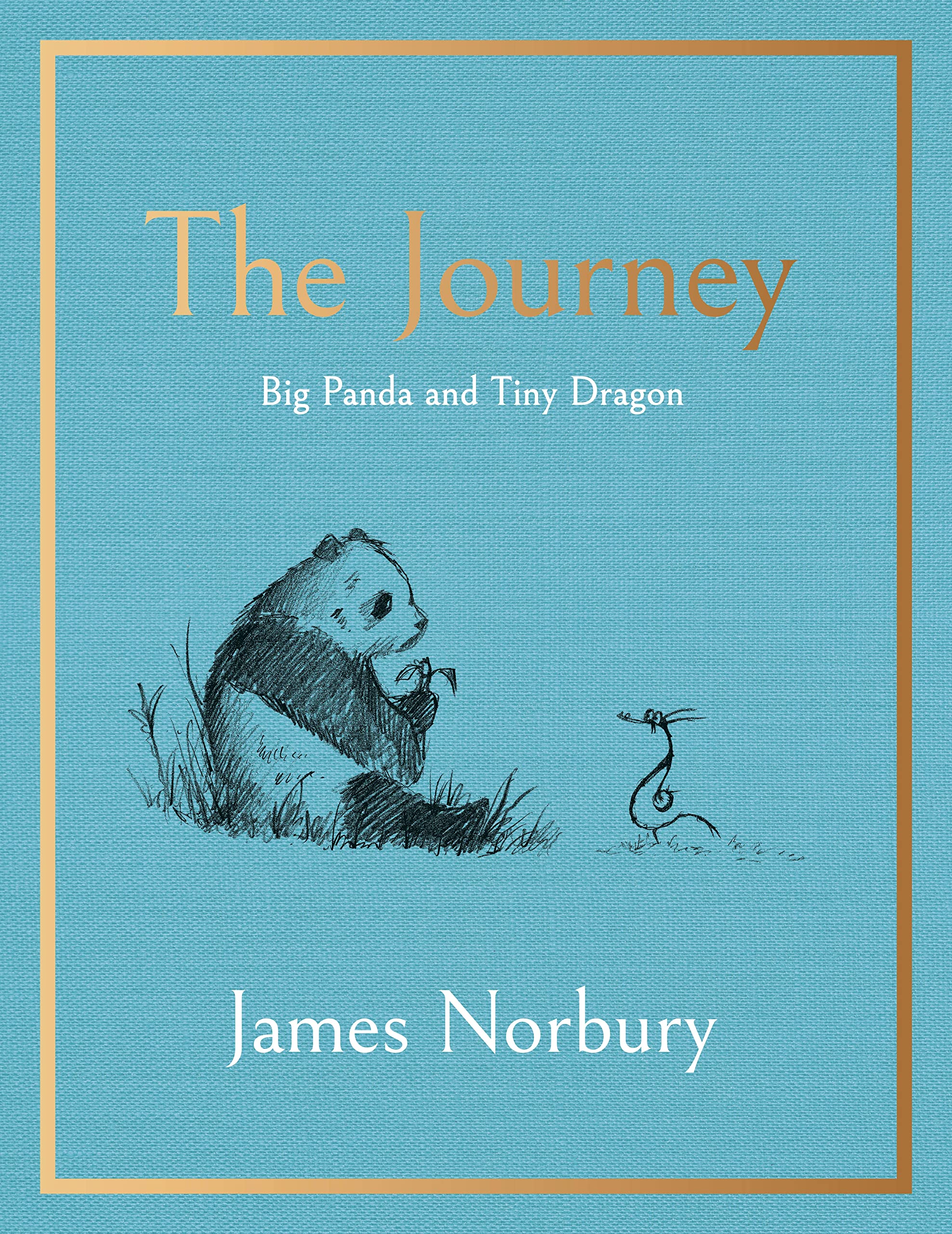
Michael Joseph The Journey: A Big Panda and Tiny Dragon Adventure by James Norbury'We shall go on a journey, across the river . . .' Join Big Panda and Tiny Dragon as they set off on an extraordinary adventure in this companion to the global bestselling phenomenon Big Panda and Tiny Dragon. Although content in their temple high up in the mountains, Tiny Dragon realises that something feels incomplete. So it is that they decide to make a journey together, to new and distant lands. As they encounter dangers and challenges, they learn that everything they need is already inside them and that change, though sometimes scary, is possible and, with patience, can lead to better things. Inspired by Buddhist philosophy and spirituality, the story of these whimsical characters makes the perfect gift for anyone looking for a little hope and comfort.9,99 £*Shipping: 2,99 £Secure redirect to the provider
-
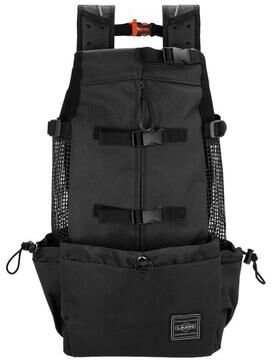
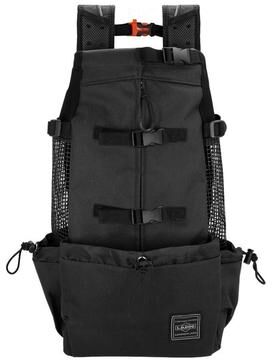
PetsAreLife Explore Together Lightweight Polyester Dog Backpack Sack Carrier, Waterproof & Comfortable For Every Journey Black LAre you on the lookout for a convenient, trustworthy way to include your furry friend in all your exciting escapades Look no further! We present the Dog Backpack Sack Carrier – your ultimate solution for carrying your beloved pet everywhere you go!...49,99 $*Shipping: 0,00 $Secure redirect to the provider
-
PetsAreLife Explore Together Lightweight Polyester Dog Backpack Sack Carrier, Waterproof & Comfortable For Every Journey Black XLAre you on the lookout for a convenient, trustworthy way to include your furry friend in all your exciting escapades Look no further! We present the Dog Backpack Sack Carrier – your ultimate solution for carrying your beloved pet everywhere you go!...51,49 $*Shipping: 0,00 $Secure redirect to the provider
-
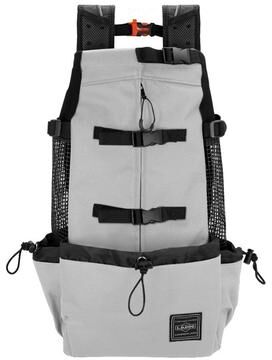
PetsAreLife Explore Together Lightweight Polyester Dog Backpack Sack Carrier, Waterproof & Comfortable For Every Journey Gray XLAre you on the lookout for a convenient, trustworthy way to include your furry friend in all your exciting escapades Look no further! We present the Dog Backpack Sack Carrier – your ultimate solution for carrying your beloved pet everywhere you go!...51,49 $*Shipping: 0,00 $Secure redirect to the provider

-
What is the etymology of the word Funk?
The word "funk" originated in the late 17th century, derived from the French word "fumet," meaning "smell" or "vapor." It was initially used to describe a strong, musty smell. Over time, the term evolved to describe a style of music characterized by a strong rhythmic groove and soulful vocals, popularized in the 1960s and 1970s. Today, "funk" is associated with a genre of music that blends elements of soul, jazz, and rhythm and blues. **
-
What is the etymology of the term "Blutblüte"?
The term "Blutblüte" is of German origin. It is a compound word made up of "Blut" meaning blood and "Blüte" meaning bloom or blossom. When combined, "Blutblüte" refers to the blooming or flourishing of blood, often used metaphorically to describe a period of violence or bloodshed. **
-
What is the connection between personal development, etymology, and philosophy?
Personal development, etymology, and philosophy are interconnected in the sense that they all involve the exploration and understanding of oneself and the world. Personal development focuses on self-improvement and growth, while etymology delves into the origins and meanings of words, and philosophy seeks to understand the fundamental nature of existence and knowledge. By studying etymology, one can gain insight into the historical and cultural context of words, which can in turn inform one's personal development and philosophical understanding. Philosophy, on the other hand, can provide a framework for understanding the deeper meaning and purpose of personal development, while also influencing the way we interpret and use language. Overall, these three areas of study are interconnected in their pursuit of self-awareness, understanding, and growth. **
-
What is the etymology of the term "Komplekte" in the DDRNVA?
The term "Komplekte" in the DDRNVA is derived from the German word "komplett," which means complete or entire. In the context of the DDRNVA, "Komplekte" refers to a set or collection of items that are necessary for a specific task or purpose. This term reflects the emphasis on organization and efficiency within the DDRNVA, as having all the necessary components in a "Komplekte" ensures readiness and effectiveness in carrying out military operations. **
What is the origin or etymology of the puzzled expression Nani Nanu?
The expression "Nani Nanu" originates from the Japanese language. "Nani" means "what" in Japanese, while "Nanu" is a playful and informal way of saying "what" in some Japanese dialects. When used together, "Nani Nanu" is a whimsical and light-hearted way of expressing confusion or puzzlement. It has gained popularity in internet culture and among fans of Japanese media. **
What is the origin or etymology of the surprised expression "Nani Nanu"?
The expression "Nani Nanu" originates from Japanese and is commonly used to express surprise or disbelief. In Japanese, "nani" means "what," and "nanu" is a colloquial variation of "nanda," which means "is" or "what is." When combined, "Nani Nanu" essentially translates to "What is it?" or "What's going on?" and is often used in anime, manga, and Japanese pop culture to convey shock or astonishment. **
Top-Angebote
Products related to Etymology:
-
PetsAreLife Explore Together Lightweight Polyester Dog Backpack Sack Carrier, Waterproof & Comfortable For Every Journey Gray SAre you on the lookout for a convenient, trustworthy way to include your furry friend in all your exciting escapades Look no further! We present the Dog Backpack Sack Carrier – your ultimate solution for carrying your beloved pet everywhere you go!...46,99 $*Shipping: 0,00 $Secure redirect to the provider
-
Fireshine Games Core Keeper for Nintendo Switch - Game Cartridge - Explore Underground AdventureA colourful sandbox adventure where you explore procedurally generated caverns, gather resources, craft tools, build bases, plant crops, catch fish, and battle Titans. Play solo or online with up to three explorers.33,07 £*Shipping: 3,95 £Secure redirect to the provider
-
Michael Joseph The Journey: A Big Panda and Tiny Dragon Adventure by James Norbury'We shall go on a journey, across the river . . .' Join Big Panda and Tiny Dragon as they set off on an extraordinary adventure in this companion to the global bestselling phenomenon Big Panda and Tiny Dragon. Although content in their temple high up in the mountains, Tiny Dragon realises that something feels incomplete. So it is that they decide to make a journey together, to new and distant lands. As they encounter dangers and challenges, they learn that everything they need is already inside them and that change, though sometimes scary, is possible and, with patience, can lead to better things. Inspired by Buddhist philosophy and spirituality, the story of these whimsical characters makes the perfect gift for anyone looking for a little hope and comfort.9,99 £*Shipping: 2,99 £Secure redirect to the provider
-
PetsAreLife Explore Together Lightweight Polyester Dog Backpack Sack Carrier, Waterproof & Comfortable For Every Journey Black LAre you on the lookout for a convenient, trustworthy way to include your furry friend in all your exciting escapades Look no further! We present the Dog Backpack Sack Carrier – your ultimate solution for carrying your beloved pet everywhere you go!...49,99 $*Shipping: 0,00 $Secure redirect to the provider
-
What is the etymology of Turkish Pepper?
The term "Turkish Pepper" is believed to have originated from the use of a specific type of pepper called "Urfa biber" in Turkish cuisine. Urfa biber is a dried red pepper that is grown in the Urfa region of Turkey and is known for its smoky, earthy flavor with a mild heat. The name "Turkish Pepper" likely refers to the origin of this specific type of pepper and its association with Turkish cuisine. **
-
What is the etymology of the word Hexe?
The word "Hexe" comes from the Old High German word "hagazussa," which means "witch." This word is derived from the Middle High German "hag," meaning "hedge," and "zussa," meaning "sitting." The term "hagazussa" originally referred to a female magician or sorceress who was believed to have the ability to ride on the backs of animals and perform magical spells. Over time, the word evolved into "Hexe" in modern German. **
-
What is the etymology of the word Funk?
The word "funk" originated in the late 17th century, derived from the French word "fumet," meaning "smell" or "vapor." It was initially used to describe a strong, musty smell. Over time, the term evolved to describe a style of music characterized by a strong rhythmic groove and soulful vocals, popularized in the 1960s and 1970s. Today, "funk" is associated with a genre of music that blends elements of soul, jazz, and rhythm and blues. **
-
What is the etymology of the term "Blutblüte"?
The term "Blutblüte" is of German origin. It is a compound word made up of "Blut" meaning blood and "Blüte" meaning bloom or blossom. When combined, "Blutblüte" refers to the blooming or flourishing of blood, often used metaphorically to describe a period of violence or bloodshed. **
Similar search terms for Etymology
-
PetsAreLife Explore Together Lightweight Polyester Dog Backpack Sack Carrier, Waterproof & Comfortable For Every Journey Black XLAre you on the lookout for a convenient, trustworthy way to include your furry friend in all your exciting escapades Look no further! We present the Dog Backpack Sack Carrier – your ultimate solution for carrying your beloved pet everywhere you go!...51,49 $*Shipping: 0,00 $Secure redirect to the provider
-
PetsAreLife Explore Together Lightweight Polyester Dog Backpack Sack Carrier, Waterproof & Comfortable For Every Journey Gray XLAre you on the lookout for a convenient, trustworthy way to include your furry friend in all your exciting escapades Look no further! We present the Dog Backpack Sack Carrier – your ultimate solution for carrying your beloved pet everywhere you go!...51,49 $*Shipping: 0,00 $Secure redirect to the provider
-
PetsAreLife Explore Together Lightweight Polyester Dog Backpack Sack Carrier, Waterproof & Comfortable For Every Journey Black SAre you on the lookout for a convenient, trustworthy way to include your furry friend in all your exciting escapades Look no further! We present the Dog Backpack Sack Carrier – your ultimate solution for carrying your beloved pet everywhere you go!...46,99 $*Shipping: 0,00 $Secure redirect to the provider
-
PetsAreLife Explore Together Lightweight Polyester Dog Backpack Sack Carrier, Waterproof & Comfortable For Every Journey Black MAre you on the lookout for a convenient, trustworthy way to include your furry friend in all your exciting escapades Look no further! We present the Dog Backpack Sack Carrier – your ultimate solution for carrying your beloved pet everywhere you go!...48,49 $*Shipping: 0,00 $Secure redirect to the provider
-
What is the connection between personal development, etymology, and philosophy?
Personal development, etymology, and philosophy are interconnected in the sense that they all involve the exploration and understanding of oneself and the world. Personal development focuses on self-improvement and growth, while etymology delves into the origins and meanings of words, and philosophy seeks to understand the fundamental nature of existence and knowledge. By studying etymology, one can gain insight into the historical and cultural context of words, which can in turn inform one's personal development and philosophical understanding. Philosophy, on the other hand, can provide a framework for understanding the deeper meaning and purpose of personal development, while also influencing the way we interpret and use language. Overall, these three areas of study are interconnected in their pursuit of self-awareness, understanding, and growth. **
-
What is the etymology of the term "Komplekte" in the DDRNVA?
The term "Komplekte" in the DDRNVA is derived from the German word "komplett," which means complete or entire. In the context of the DDRNVA, "Komplekte" refers to a set or collection of items that are necessary for a specific task or purpose. This term reflects the emphasis on organization and efficiency within the DDRNVA, as having all the necessary components in a "Komplekte" ensures readiness and effectiveness in carrying out military operations. **
-
What is the origin or etymology of the puzzled expression Nani Nanu?
The expression "Nani Nanu" originates from the Japanese language. "Nani" means "what" in Japanese, while "Nanu" is a playful and informal way of saying "what" in some Japanese dialects. When used together, "Nani Nanu" is a whimsical and light-hearted way of expressing confusion or puzzlement. It has gained popularity in internet culture and among fans of Japanese media. **
-
What is the origin or etymology of the surprised expression "Nani Nanu"?
The expression "Nani Nanu" originates from Japanese and is commonly used to express surprise or disbelief. In Japanese, "nani" means "what," and "nanu" is a colloquial variation of "nanda," which means "is" or "what is." When combined, "Nani Nanu" essentially translates to "What is it?" or "What's going on?" and is often used in anime, manga, and Japanese pop culture to convey shock or astonishment. **
* All prices are inclusive of VAT and, if applicable, plus shipping costs. The offer information is based on the details provided by the respective shop and is updated through automated processes. Real-time updates do not occur, so deviations can occur in individual cases. ** Note: Parts of this content were created by AI.